The Best Fluffy Pancakes recipe you will fall in love with. Full of tips and tricks to help you make the best pancakes.

Heads up: This post includes product recommendations based on my own experience. There are no affiliate links here yet — just honest reviews of things I actually use.
I have a history of slipped discs in my lumbar region. Two of them, over the years. Each time I was ordered to bed rest for weeks, told to avoid anything that compressed my spine — which, unfortunately for someone who likes to move, includes squats, deadlifts, most weight training, and any cardio that involves jumping. Fun.
But I also know that a weak core, weak glutes, and weak inner thighs are exactly what keeps people with spinal issues stuck in the loop of re-injury. If I do not strengthen those muscles, my back keeps paying the price every time I bend to pick up a dropped earring.
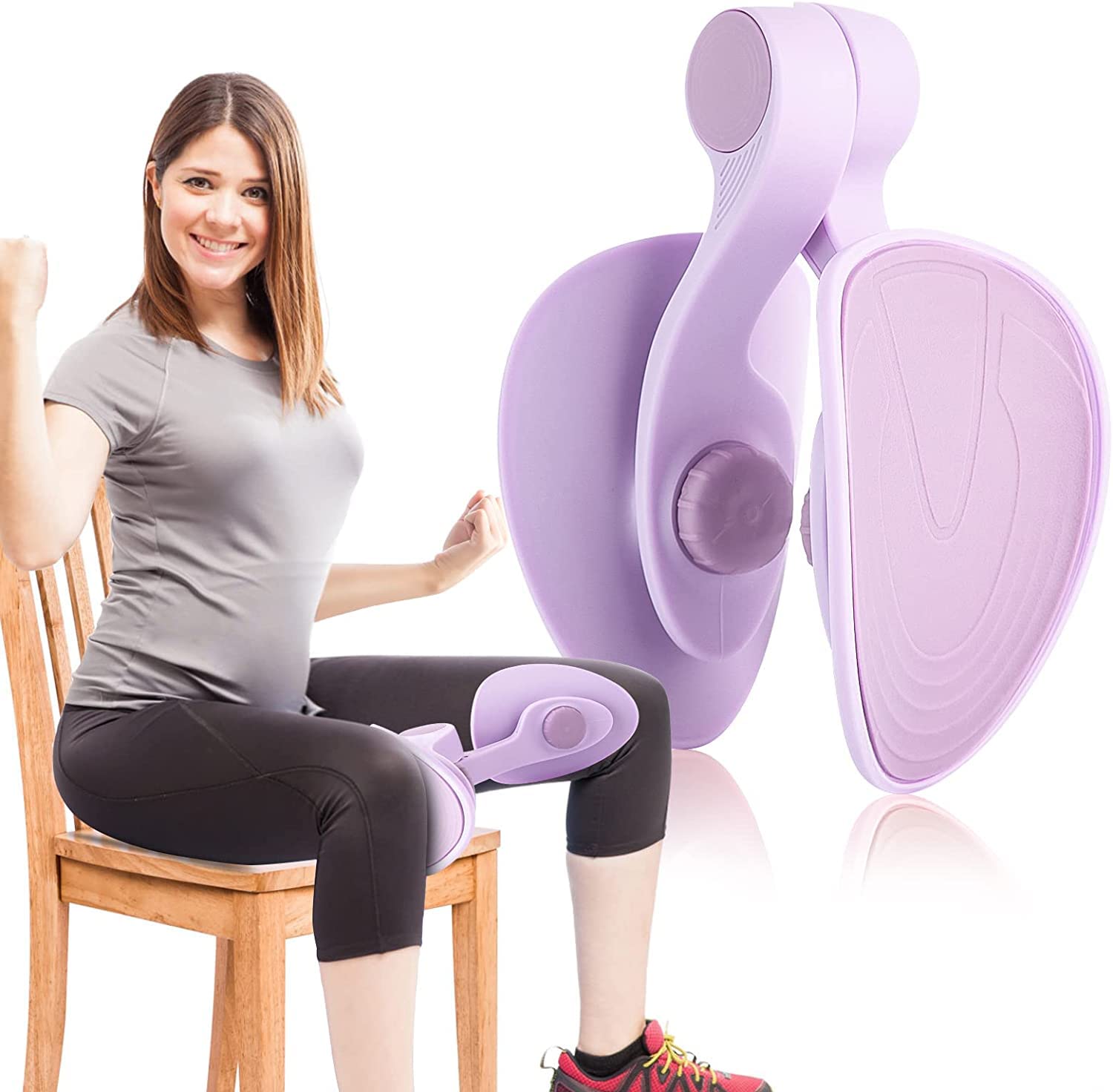
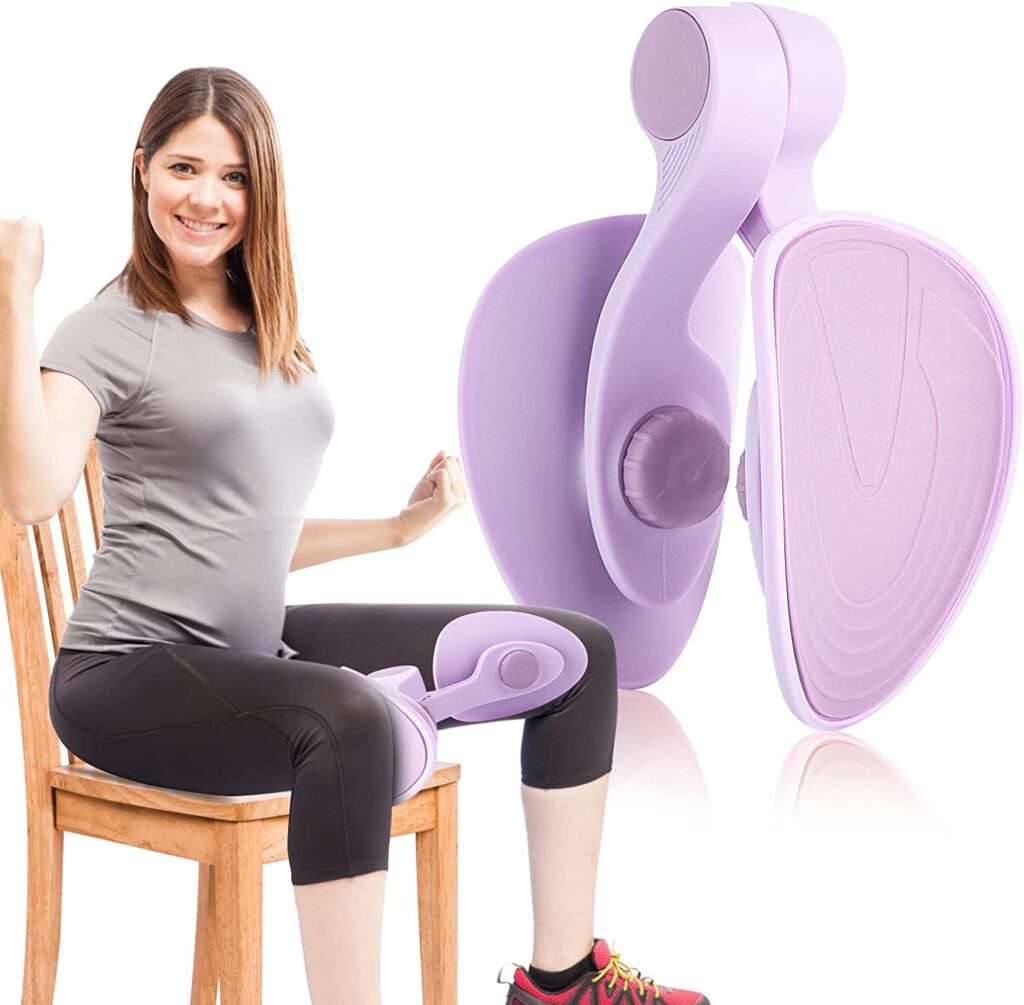
So I needed a way to work those muscles without compressing my spine. Enter this small, unglamorous thing: the Gopendra Hip & Pelvis Trainer. It is essentially a resistance device you squeeze between your thighs. It looks silly. It is not silly. It has been a game-changer for me.
What it actually is
The Gopendra trainer is a hinged device with two padded ends, connected by a resistance spring. You place it between your thighs (or arms, or between your hands) and squeeze. That is it. That is the whole workout. Seems too simple to do anything, but the cumulative effect on inner thighs, glutes, and pelvic floor is real.
For people who sit all day at a desk — which is most of us now — the inner thigh and glute muscles basically go to sleep. This trainer wakes them back up in a controlled, low-impact way.
Why this specifically matters for back pain
Your lumbar spine does not live in isolation. It is supported by your core, your glutes, your hip flexors, and your inner thighs. When those muscles are weak, your lower back takes over the job they should be doing — which is how you end up with chronic lumbar pain, disc issues, and the kind of tightness that makes bending down to tie your shoes feel like a life event.
Strengthening the supporting muscles means your spine finally gets to rest. But — and this is important — you need to strengthen them without loading weight onto your spine. No heavy squats, no deadlifts, no loaded lunges if you are in the “healing” or “just recovered” phase. Resistance-based isometric work, which is exactly what this trainer gives you, is the safer path.
How I actually use it
- Inner thighs: Sit on a chair or edge of the sofa. Place the trainer between your knees, padded ends on either side. Squeeze your knees together for 3-5 seconds. Release. Repeat 15-20 times. Three sets.
- Outer thighs and glutes: Flip the trainer so the open end is between your knees. Push your knees apart against the resistance. Same counts.
- Pelvic floor activation: Same inner thigh squeeze position, but focus on engaging your pelvic floor (the “stop-the-pee” muscles) while you squeeze. Useful post-pregnancy, post-surgery, or just for anyone with a weakened core.
- Arms: Hold the trainer between your palms at chest height and squeeze. Works the inner chest and a bit of the triceps.
I do this while on a call, while watching TV, while waiting for something to load. It takes maybe 10 minutes to get through all the variations. I do this 4-5 times a week.
What changed for me
- My inner thighs got stronger. I can actually feel the muscles there now, which was not the case before.
- My glutes stopped going numb after long sitting sessions.
- My lower back pain, which used to be a daily baseline 3-4/10, is now closer to a 1-2/10 on most days.
- I feel more stable walking up stairs, which was a big goal.
Who this is for
- Anyone with a history of slipped discs or chronic lower back pain
- People recovering from spinal injury who cannot do weighted leg exercises yet
- Desk workers with dormant glutes and inner thighs (most of us)
- Postpartum folks who need gentle pelvic floor activation
- Beginners to fitness who want something non-intimidating to start with
- Anyone with axillary nerve pain, shoulder issues, or arm problems that make dumbbells unrealistic
Who this is not for
- People with acute hip or knee injuries — please get physio clearance first
- Anyone in an active disc herniation flare-up — rest first, strengthen later, under medical guidance
- People who already do heavy compound lifts and have strong glutes — you will not find this challenging enough
Where to get it
Here is the Gopendra Hip & Pelvis Trainer on Amazon India. It is affordable, durable, and it takes up approximately zero storage space — you can tuck it next to the sofa and nobody will know.
If you have been told by a physio to “strengthen your core and glutes” and you have no idea where to start because gyms terrify you and yoga hurts your back, this is a beautiful, low-stakes entry point. You will feel stronger within a few weeks.
Feel better, without becoming a project.
Note: If you have active disc issues, acute back pain, or any spinal condition, please consult your doctor or physiotherapist before starting any new exercise — including low-impact resistance work. This post shares my personal experience, not medical advice.