The Best Fluffy Pancakes recipe you will fall in love with. Full of tips and tricks to help you make the best pancakes.


Heads up: This post includes product recommendations based on my own experience. There are no affiliate links here yet — just honest reviews of things I actually use.
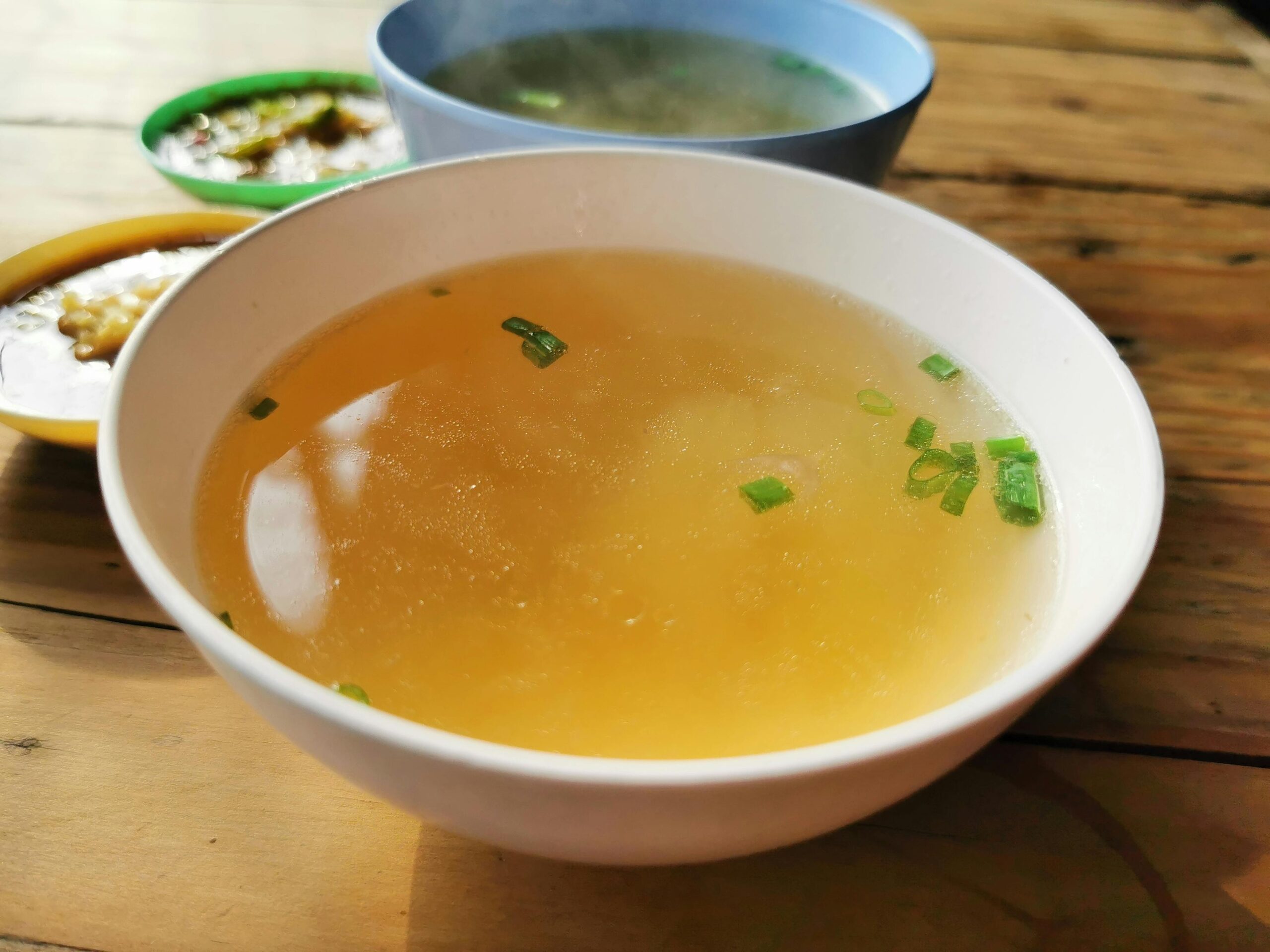
Bone broth had a moment a few years ago, courtesy of wellness influencers and gut-health podcasts. And here is the honest truth: it genuinely deserves the hype. Good bone broth is rich in collagen, gelatin, amino acids, and minerals that support joint health, gut lining repair, skin elasticity, and recovery after illness.
I started with Earthy Origins Grass-Fed Goat Bone Broth — an instant mix, collagen-rich, certified humane, locally grown, no preservatives, 14-hour slow-cooked. Decent product. But over time, I moved to making it at home, and I want to tell you why (and how).
Why bone broth works
Board certified plastic surgeon based in Canada, Dr. Anil Rajani breaks this down beautifully
- Collagen and gelatin. Break down during long simmering. These support gut lining, skin, hair, nails, and joint health.
- Amino acids. Glycine, proline, glutamine — all healing for the gut, liver, and connective tissue.
- Minerals. Calcium, magnesium, phosphorus, and trace minerals leach from the bones during cooking.
- Hydration plus electrolytes. Great for recovery after flu, period weeks, hot weather, hangovers.
- Warming and digestive-friendly. Especially good during seasonal transitions or cold weather.
For hypothyroidism folks, bone broth is especially valuable because the amino acids in it (particularly glycine) support thyroid function, and the collagen supports the gut — which is deeply connected to thyroid and autoimmune health.
The store-bought version: Earthy Origins
Earthy Origins offers an instant bone broth mix — you add hot water, stir, drink. It is convenient and genuinely well-sourced: grass-fed, certified humane, 14-hour slow-cooked, no additives.
When I was getting started on bone broth and did not have the time or headspace to make it at home, this is what I used. And it was worth it. You get real benefits from a single 200ml serving.
The catch is that, per serving, it is more expensive than homemade, and the flavour is slightly more processed (though not bad). Over months of daily use, that cost and flavour difference starts to matter.
Why I moved to homemade
Once I realised bone broth was something I wanted in my life consistently, I started making it at home. Here is why it is better:
- Way cheaper. A batch that lasts a week costs under ₹200 if you buy good quality bones from your local butcher.
- More collagen. Nothing beats a 24-hour slow simmer for collagen extraction.
- Freshness. No preservatives, no mix, no shelf life anxiety.
- Customisable. You can add whatever herbs, aromatics, or ginger you love.
- Sustainable. Less packaging waste.
My homemade bone broth recipe
Here is the version I make, which is a spin on classic chicken bone broth adapted for Indian kitchens.
What you need:
- About 1 kg of bones — chicken carcasses, chicken feet (non-negotiable for collagen), or a mix of chicken and mutton bones. Ask your butcher for “soup bones.”
- 2 tablespoons apple cider vinegar (helps leach minerals from bones)
- 1 large onion, roughly chopped
- 1 carrot, roughly chopped
- 1-2 bay leaves
- 1-inch piece of ginger
- 4-5 garlic cloves, smashed
- A small bunch of coriander stems (save the leaves for garnish)
- 5-6 whole black peppercorns
- 1 tsp whole cumin (optional)
- Salt, to taste (add at the end)
- Water to cover everything by 2 inches
The method (slow cooker or pressure cooker):
- Roast the bones on a tray at 200°C for 25-30 minutes first. This is the step people skip but it makes the broth taste dramatically better.
- Transfer roasted bones to a large stockpot or slow cooker.
- Add all other ingredients except salt.
- Cover with cold water (2 inches above the bones).
- Add apple cider vinegar and let sit for 30 minutes before cooking (this pulls more minerals out).
- Slow cooker: low for 18-24 hours. Pressure cooker: 90 minutes on high pressure, natural release. Stovetop: gentle simmer for 8-12 hours.
- Strain the broth through a fine-mesh sieve. Discard solids.
- Let cool and skim any excess fat from the top. Salt to taste.
- Store in the fridge for up to 5 days or freeze in portions for up to 3 months.
How I drink it daily
- Morning: 1 cup warm, with a squeeze of lemon and a pinch of rock salt. Before or instead of breakfast on busier days.
- Evening: 1 cup as a base for a quick soup — add some greens, a handful of cooked rice or quinoa, a drizzle of sesame oil.
- Post-workout: 1 cup with ginger, because glycine and minerals help muscle recovery.
- Sick days: 2-3 cups throughout the day, warm, with aromatic additions like garlic and fresh coriander.
Who this is for
- Hypothyroidism and Hashimoto’s folks (gut-thyroid connection)
- Anyone with leaky gut, IBS, or chronic digestive issues
- Post-workout recovery nerds
- People recovering from illness, surgery, or period weeks
- Anyone focused on skin, hair, nails, and long-term aging
- Non-vegetarians who want a daily nourishing ritual
Where to get Earthy Origins (if you want to try the instant version first)
Here is Earthy Origins Bone Broth on Amazon India. Great as a starting point, especially if you are travelling or have a hectic week.
But long-term — homemade is the move. Invest in a decent stockpot or slow cooker, build a relationship with your local butcher, and make it a Sunday ritual. You will save money, have better broth, and gain one of those genuinely healing habits that compound over time.
Feel better, without becoming a project.
Note: Bone broth is not appropriate for vegetarians or vegans. For plant-based alternatives, look into seaweed-based mineral broths or mushroom broths. If you have histamine intolerance, slow-cooked broths may trigger symptoms — start with short-cooked versions to test tolerance.